What Happened To Luther Vandross?

Rachel Newton
Published Oct 15, 2026
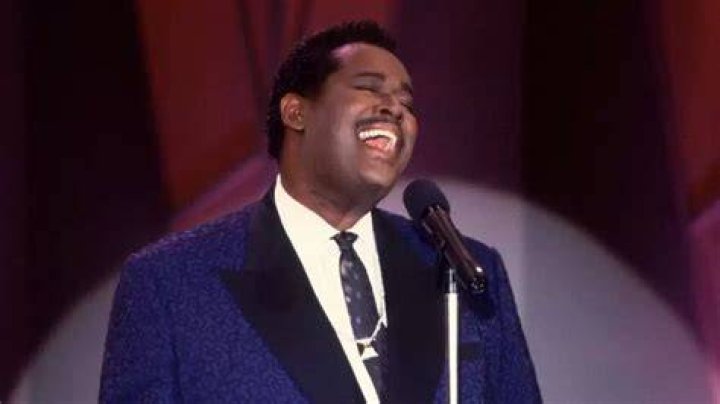
Luther Vandross was a musical powerhouse whose silken voice graced the airwaves for decades, leaving an indelible mark on the world of R&B and soul music. His untimely departure from the world left fans and contemporaries alike mourning the loss of a true legend. This article delves into the life, career, and the circumstances surrounding the passing of Luther Vandross, providing a comprehensive overview of his journey and legacy.
Early Life and Rise to Fame
Luther Vandross was born on April 20, 1951, in New York City. He grew up in a musical family that fostered his love for music from a young age. Vandross’s career began in the 1970s as a backup singer for artists like David Bowie, Chaka Khan, and Donna Summer. His smooth vocals quickly caught the attention of the music industry, leading to his rise as a solo artist.
Breakthrough as a Solo Artist
Vandross’s breakthrough came with his debut album, “Never Too Much,” in 1981. The title track became an instant hit, showcasing his velvety voice and songwriting prowess. This success was followed by a string of successful albums and singles throughout the 1980s and 1990s, solidifying his status as an R&B icon.
Accolades and Achievements
Over the course of his career, Vandross won eight Grammy Awards and sold over 35 million records worldwide. His music resonated with audiences, thanks to its heartfelt lyrics and his exceptional vocal delivery.
Health Struggles
Despite his professional success, Vandross faced significant health challenges. He struggled with weight issues and diabetes, which would eventually play a role in his health decline.
Stroke and Recovery
In April 2003, Vandross suffered a severe stroke that left him in a coma for nearly two months. The stroke affected his ability to speak and sing, requiring him to undergo rigorous physical and vocal therapy. Despite the odds, Vandross made a remarkable recovery, even releasing a new album, “Dance with My Father,” which won four Grammy Awards in 2004.
The Final Years
Following his stroke, Vandross made few public appearances. He continued to battle health issues related to his stroke and ongoing medical conditions.
Last Public Appearances
Vandross’s last public appearance was on “The Oprah Winfrey Show” in 2004, where he spoke about his health struggles and recovery. His final musical performance was at the 2004 Grammy Awards, where he delivered a pre-recorded video acceptance speech.
Passing of a Legend
On July 1, 2005, Luther Vandross passed away at the age of 54. His death was attributed to a heart attack, a complication from his long-standing health issues.
Immediate Impact of His Death
The news of Vandross’s death sent shockwaves through the music community and among his fans. Tributes poured in from around the world, as people remembered his contributions to music and his unforgettable voice.
Posthumous Releases and Tributes
After his passing, several compilations and previously unreleased tracks were made available to the public. Artists and award shows also paid tribute to Vandross, celebrating his musical legacy.
Legacy and Influence
Luther Vandross’s influence on R&B and soul music remains profound. His style and vocal technique have inspired countless artists, and his music continues to be celebrated by new generations of fans.
Influence on Artists
Many contemporary artists cite Vandross as a major influence on their music. His ability to convey emotion through song has set a benchmark for vocalists across various genres.
Continued Celebration of His Music
Vandross’s music is still widely played and covered today, a testament to its timeless quality and the impact he had on the music industry.
Discography Highlights
Luther Vandross’s discography is filled with hits that have become classics. Albums like “Never Too Much,” “Give Me the Reason,” and “Power of Love” are just a few examples of his extensive body of work.
Chart-Topping Singles
Songs like “Here and Now,” “Endless Love” (duet with Mariah Carey), and “Dance with My Father” are among the many chart-toppers that Vandross is known for.
Personal Life and Privacy
Vandross was known for being private about his personal life. He rarely spoke about his relationships or family, choosing to keep the focus on his music.
Philanthropy and Advocacy
Despite his private nature, Vandross was involved in various charitable causes and used his platform to advocate for issues close to his heart.
Conclusion
Luther Vandross’s journey from a backup singer to an R&B legend is a story of talent, perseverance, and resilience. His music has left an indelible mark on the industry, and his voice continues to resonate with fans around the world. Vandross’s legacy is not just in the records he sold or the awards he won, but in the emotional depth and soul he brought to every song he sang. Though he is no longer with us, Luther Vandross’s spirit lives on through his timeless music and the countless lives he touched.
FAQ Section
- What was Luther Vandross’s cause of death?
Vandross died from a heart attack, which was a complication of his diabetes and the effects of the stroke he suffered in 2003. - Did Luther Vandross have any children?
No, Luther Vandross did not have any children. - What is considered Luther Vandross’s signature song?
While Vandross had many hits, “Dance with My Father” is often considered his signature song, especially since it was released shortly before his passing and won several Grammy Awards.
In conclusion, Luther Vandross’s story is one of triumph and tragedy, marked by a brilliant career that was cut short too soon. His music remains a beacon of excellence in vocal performance and songwriting, and his influence on the music world endures. Vandross’s life reminds us of the power of music to connect, heal, and inspire, even beyond the life of the artist.