Unraveling The Truth Behind The Hisashi Ouchi Incident: The Real Photos And Facts

James Bradley
Published Aug 14, 2026
The Hisashi Ouchi incident remains one of the most tragic and shocking events in Japan's nuclear history. This incident not only raised questions about nuclear safety but also about the ethical implications of medical treatment in extreme circumstances. In this article, we will explore the details of the incident, the real photos associated with it, and its lasting impact on Japan and the world. As we delve deeper, we will ensure that the information is reliable, well-researched, and presented with the utmost respect for those affected.
On September 30, 1999, a catastrophic accident occurred at the Tokaimura nuclear fuel processing plant in Japan. Hisashi Ouchi, a young worker, was exposed to a lethal dose of radiation due to a criticality accident. This event not only ended Ouchi's life but also opened a Pandora's box of discussions regarding nuclear safety protocols and the ethical responsibilities of medical personnel in treating patients under dire conditions.
This article aims to provide thorough insights into the Hisashi Ouchi incident, including a detailed overview of the events leading to the accident, the medical treatment he received, the ethical dilemmas faced by healthcare professionals, and the public's reaction. We will also examine the real photographs that document this tragic story, shedding light on the human aspect of this disaster.
Table of Contents
1. Overview of the Hisashi Ouchi Incident
The Hisashi Ouchi incident was a nuclear accident that occurred at the JCO Co. plant in Tokaimura, Japan. During the incident, workers were attempting to produce enriched uranium fuel for a nuclear reactor. Due to a series of procedural errors, a criticality accident occurred, leading to an uncontrolled nuclear reaction.
Hisashi Ouchi, along with two other workers, was exposed to high levels of radiation. Ouchi suffered the most severe exposure, ultimately leading to his hospitalization and a prolonged battle for life. This incident sparked serious discussions about nuclear safety and the protocols in place to prevent such accidents.
2. Biography of Hisashi Ouchi
| Name | Hisashi Ouchi |
|---|---|
| Date of Birth | March 17, 1965 |
| Date of Accident | September 30, 1999 |
| Occupation | Nuclear Fuel Processing Worker |
| Location | Tokaimura, Japan |
| Date of Death | December 21, 1999 |
Hisashi Ouchi was a dedicated worker in the nuclear fuel processing industry. Born on March 17, 1965, he spent most of his life in pursuit of a career that would ultimately lead to his tragic fate. Ouchi's story is a poignant reminder of the human cost of industrial accidents.
3. The Criticality Accident Explained
The Tokaimura incident occurred when workers mistakenly added too much uranium to a precipitation tank. This action led to a criticality accident, resulting in a powerful burst of radiation. The incident caused immediate exposure to three workers, with Ouchi receiving the highest dose, estimated at around 17 sieverts, which is far beyond the lethal dose for humans.
The rapid response to the incident was subpar, with emergency protocols failing to activate properly. This delay in response contributed to the severity of Ouchi's condition, as he was not evacuated immediately.
Key Factors Leading to the Accident
- Lack of proper training for workers on safety protocols
- Failure to follow established safety procedures
- Inadequate supervision and oversight by management
4. Medical Treatment and Ethical Concerns
Following the accident, Hisashi Ouchi was admitted to a hospital where he received aggressive treatment for radiation poisoning. The medical team employed various interventions, including blood transfusions and experimental therapies. However, despite their efforts, Ouchi's condition deteriorated rapidly.
This situation raised significant ethical concerns regarding the extent to which medical personnel should go in treating patients with such severe injuries. The decision to use experimental treatments on Ouchi sparked a debate about the rights of patients, informed consent, and the role of medical ethics in life-and-death situations.
Challenges Faced by Medical Personnel
- Determining the best course of action for Ouchi's treatment
- Balancing ethical considerations with the urgency of the situation
- Addressing the emotional toll on medical staff and Ouchi's family
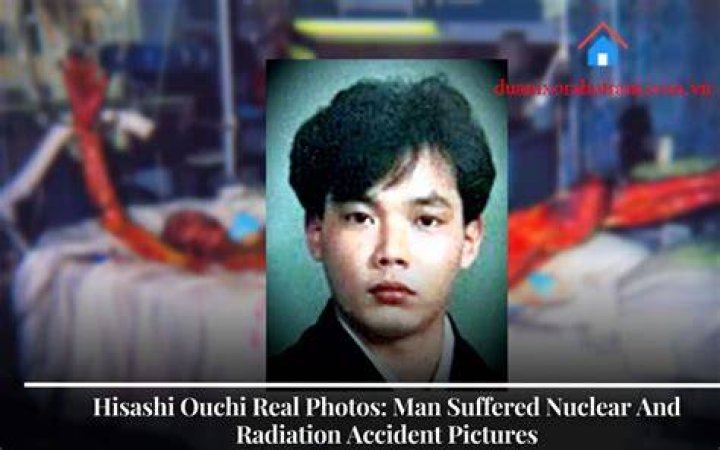
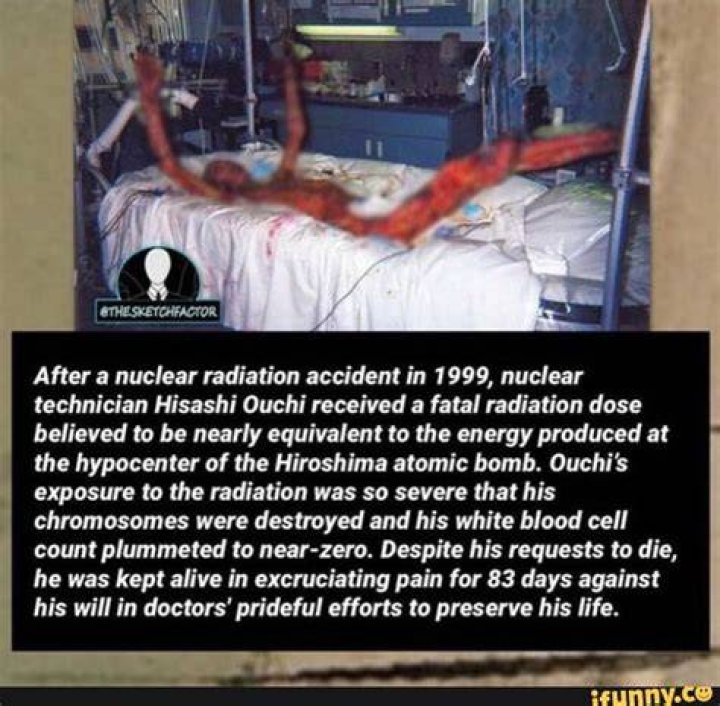
5. Real Photos of the Incident
The Hisashi Ouchi incident is often accompanied by real photographs that document the aftermath of the accident, the medical treatments, and the public's reaction. While some images depict the stark reality of Ouchi's condition, others highlight the broader implications of the incident on nuclear safety.
It's important to approach these images with sensitivity, understanding the human tragedy behind the visuals. These photographs serve as a reminder of the risks associated with nuclear energy and the importance of stringent safety measures.
6. Public Reaction and Media Coverage
The incident garnered widespread media attention both in Japan and internationally. The public's reaction was one of shock and outrage, leading to protests against nuclear energy. Many questioned the safety measures in place and demanded reforms to prevent similar accidents in the future.
Media coverage of the incident highlighted the human aspect of the tragedy, focusing on Ouchi's struggle for survival and the ethical dilemmas faced by medical professionals. This coverage played a crucial role in shaping public opinion regarding nuclear energy and safety regulations.
7. Safety Reforms in the Nuclear Industry
In the aftermath of the Hisashi Ouchi incident, Japan implemented several key safety reforms in the nuclear industry. These reforms aimed to enhance worker training, improve safety protocols, and ensure better oversight of nuclear facilities.
Additionally, the incident led to a broader discussion about the future of nuclear energy in Japan, culminating in the reevaluation of existing nuclear power plants and the introduction of stricter regulations to prevent similar accidents.
8. Conclusion and Reflection
The Hisashi Ouchi incident serves as a tragic reminder of the potential consequences of industrial accidents, particularly in the nuclear sector. The lessons learned from this incident have had a profound impact on nuclear safety regulations in Japan and around the world.
As we reflect on Ouchi's story, it is essential to acknowledge the human cost of such disasters and advocate for continued progress in safety measures. We encourage readers to engage in discussions about nuclear safety and to share their thoughts in the comments below.
In closing, we hope that this article has provided valuable insights into the Hisashi Ouchi incident. Please feel free to share this article with others who may be interested in learning more about this significant event in nuclear history.
Hirochi Ouchi: The Rising Star In The World Of Anime And Manga
Understanding Moverulz: Your Ultimate Guide To Movie Streaming
Neil Flynn Married: Exploring The Life And Love Of The Renowned Actor