The Ending Of La La Land Explained

Amelia Brooks
Published Aug 03, 2026

But there's no such thing as Hollywood love, and no such thing as a Hollywood life. It's all a dream, and it is beautiful, but it's also momentary. It lasts for the duration of the right song. That point of view informs "La La Land'"s bold, counter-intuitive vision of the movie musical, in which reality is dreary and imperfect. And a musical number is a foolhardy push past the dreariness and towards the sublime.
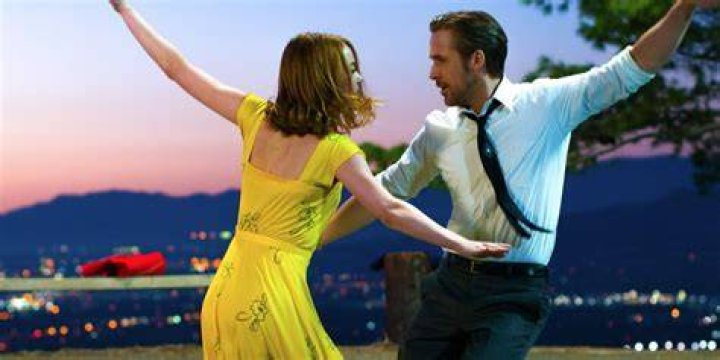
Emphasis on "push" — it would have been easier for "La La Land" to cast triple-threat actor-singer-dancers in the lead roles, ones whose talent would allow them to effortlessly evaporate into the Technicolor wonder once the music started. Instead, it cast Emma Stone and Ryan Gosling, great dramatic actors whose effort to hit the notes and land the jumps is always apparent. Though Chazelle and songwriters Justin Hurwitz, Benj Pasek, and Justin Paul didn't invent the ambivalent musical themselves, they introduce an element that even genre precursors like "The Umbrellas of Cherbourg" and "An American in Paris" elided, an element that destined "La La Land" to be controversial: fallibility. The fantasy bubble, no matter how gorgeous, always seems to burst. It only really seems invulnerable during the closing montage, because movies are dreams.
"La La Land" ends, of course, by definitively bursting the bubble, because it has to. Mia and Seb exchange a happy-sad glance, and go their separate ways. But not before the movie has, through the sheer Hollywood wonder of the closing montage, paid due homage to our way of chasing the impossible — and to the art that yields. Here's to the ones who dream, foolish as they may seem.